Every fleet leader I talk to eventually describes the same nightmare. It's a phone call. A driver has been in a serious collision. Someone is hurt, maybe worse. Once the injured are cared for and the accident scene is under control, attention quickly turns to what happened and could it have been prevented. One of the first questions asked is whether the dashcam in the cab alerted the driver in the critical seconds before impact.
Those seconds are the moment of truth. And it's the lens every fleet and safety executive should use when evaluating an AI dashcam. Will the risk be detected and the alert sounded in time? Will my driver react? The decision you make today is what determines what happens in the cab tomorrow.
Here's what I'd encourage every fleet leader to scrutinize before signing.
1. Proven collision reduction, not marketing claims
The entire point of an AI dashcam is to prevent the crash, not just to film it. Yet most of the industry is still graded on video retrieval time and coaching workflows, as if the camera's job begins after the incident.
Demand outcome data. Ask every vendor for average collision reduction numbers, broken out by collision type, not just a cherry-picked success story. Ask how long it takes to see results; 50% reduction collision reduction after a few weeks is much different than achieving the same after two or more years. If a vendor can only show you attention scores, speeding events, or "risky behaviors flagged," they're selling you telemetry and post-facto recording, not safety.
In the unfortunate event of a collision, ask how sensitive is the vendor’s collision detection capability and how long does it take to receive notification?
At Nauto, we've spent a decade proving that our system meaningfully reduces both collision frequency and collision severity, resulting in even better collision loss savings. We rapidly notify fleet managers in case of collision with a detailed First Notice of Loss report in as little as 15 minutes as well as detect low-g (below 1g) collisions that many other systems miss (typically detecting only 1.5-2.5g collisions). This is critical in case of a pedestrian or bicycle strike which will be below 1g; you will want to know about those collisions immediately. It’s also valuable to manage vehicle damage from scrapes and fender benders. Low g first party damage goes unreported, so risky drivers ‘fly under the radar’. Finally, fraudulent claims are often reported much later, long after the video footage of the event has been recorded over and is unretrievable.
2. Speed and accuracy of the AI
The difference between a near-miss and a fatality is often less than a second. That means the AI has to see the risk, classify it, and alert the driver in time to matter. A system that flags a distracted driver thirty seconds later, in a weekly coaching review, is not a safety system, it's a liability.
Ask vendors:
- What is the end-to-end latency from onset of risky behavior to in-cab alert? Alerting on a behavior in less than 3 seconds makes a big difference vs. having to wait anywhere from 7-15 seconds to receive the first alert
- Does the model run on the edge, or does it have to round-trip to the cloud?
- What is the precision, and how is it measured? How frequent are false positives? Does the system primarily rely on human review to identify critical events or can the AI do it automatically (which means greater speed and accuracy)?
False positives matter almost as much as speed. If drivers get nagged for things that aren't actually risky, they start ignoring the device. That's the moment the safety system becomes background noise and the real alerts get tuned out with everything else. Also, false positives undermine managers confidence in the system and willingness to coach drivers on events.
Nauto runs its AI on the edge, in real time, so drivers are warned in the window where they can still act. Our models are trained on more than six billion AI-processed miles, and we pioneered many key models like distraction, drowsiness, and risk fusion (e.g. forward or pedestrian collision warning plus simultaneous distraction) that are backed by foundational patents.
3. Driver experience and behavior change
Drivers are the users. If they hate the system, they will unplug it, cover it, or simply ignore the alerts without ever changing their risky behavior. The device has to earn their trust.
Evaluate: Does the system alert the driver in the moment with a clear indication of what needs to be done, so they can self-correct? Or, is the first feedback from a manager in a coaching meeting days later? In-cab, in-the-moment alerts are the most effective way to achieve sustained behavior change. Ask about results; how long does it take to see meaningful behavior change and for how long does it last?
Also, does the system respect the driver’s privacy? Can they rest assured that they are not being monitored during their breaks or being subjected to unannounced supervisor ‘drop-ins’? In the extreme case where a fleet or government regulations like the EU’s GDPR prohibit in-cab recording, can the driver be effectively AI-coached and protected without capturing video?
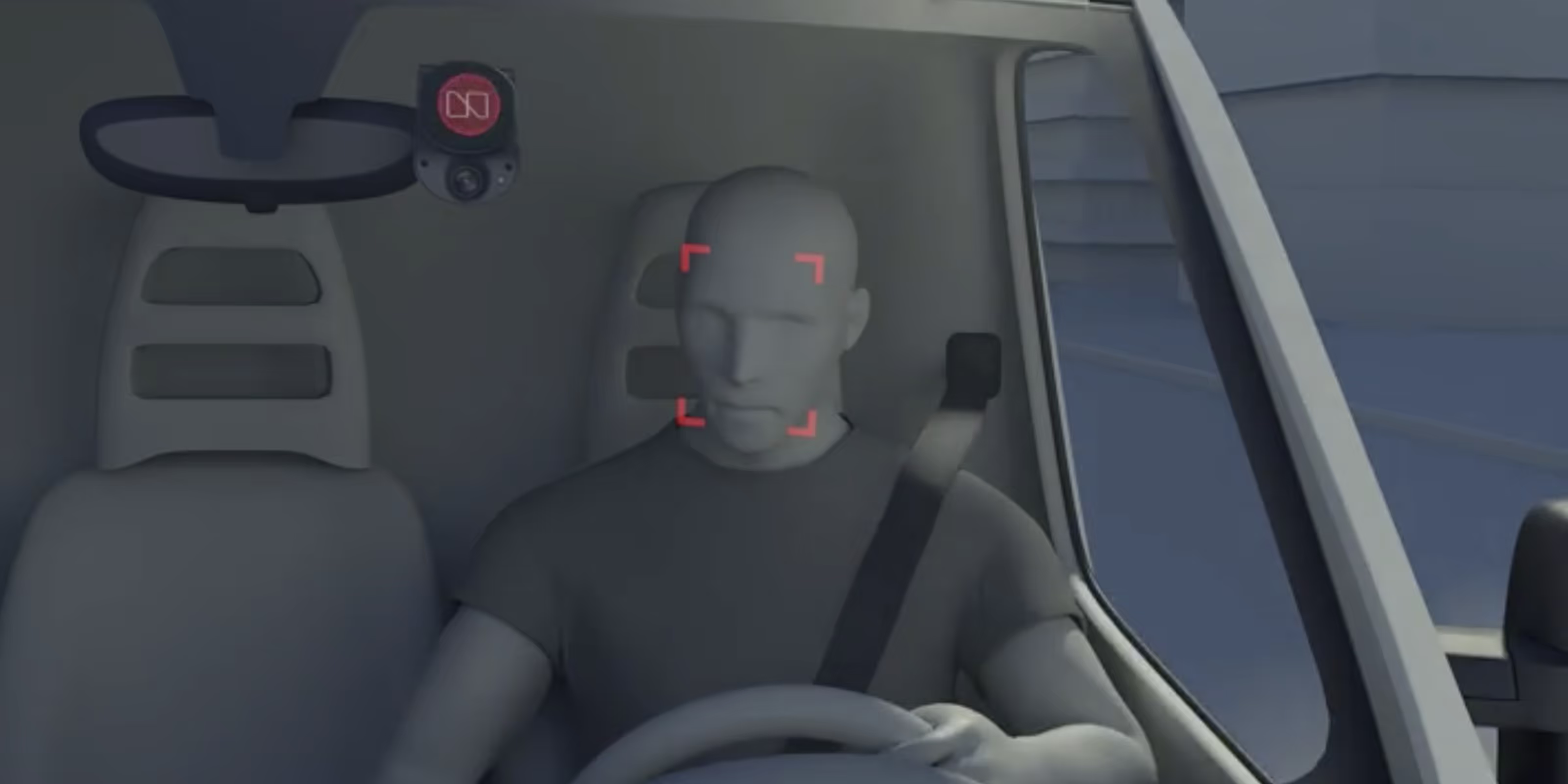
These are the key factors that turn the dashcam from surveillance into a trusted copilot. This is where Nauto consistently wins driver approval. We coach in the cab, in real time, with alerts that are accurate, with negligible false positives such that drivers respect them. As a result we typically see severe distraction reduction of over 80% in days to a few weeks. Further, while AI is analyzing 100% of driving time, less than 1% is actually uploaded and the option exists for no video recording while delivering comprehensive AI safety. The result is fewer risky events without fleets having to build out massive coaching bureaucracies.
4. Total cost of ownership, not sticker price
This is the one that quietly sinks fleets. An AI dashcam purchase looks like a hardware-and-subscription line item, so procurement benchmarks it against hardware-and-subscription line items. The problem is that the real cost of a dashcam program lives outside that line.
A proper TCO and ROI evaluation should include:
- Collision frequency and severity reductions (and the claims cost that follows, including workers comp, third party and first party losses)
- Insurance premium impact
- Litigation exposure and nuclear verdict risk
- Coaching staff time per driver per month
- Replacement and repair costs for vehicle damage
- Customer service cost and impact related to inability to service the customer or loss of product
- Install and removal costs across the life of the vehicle
- Vehicle downtime during install and service
- Hardware replacement rate
When you actually run those numbers, the cheapest dashcam is almost never the cheapest program. A system that costs 20% less but delivers half the collision reduction and twice the coaching overhead will cost the company multiples more over three years, well before a single catastrophic claim is factored in. Sadly we see this all the time: fleets tempted by the dashcam that is a few dollars a month cheaper, leaving $100+ per month in loss savings per vehicle on the table.
Our ROI paper lays this out in detail, and the pattern is consistent: Nauto pays for itself often in under 6 months on avoided collisions alone.
5. Fleet manager productivity
Ask how many hours a week your safety and fleet management teams currently spend on video review, event triage, and coaching prep. Then ask a prospective vendor how their system changes that number. Many platforms proudly surface "more events," which sounds like more visibility, but usually those events are noise that do not represent truly risky events from which a driver can learn. Not all types of events are equally risky: the risk of a hard brake, modest (<10%) speeding, or a rolling stop where the driver looked both ways before rolling through are dwarfed by the risk of texting on the phone, not spotting a pedestrian, or falling asleep.
The right AI prioritizes the few events that actually matter, identifies the drivers that truly need extra attention, and provides the context and workflow that a manager needs to coach in under a minute, and routes the rest to automated workflows. The scoreboard is: can the system reduce your biggest risks (which are typically NOT your most frequent risks), can the safety or fleet manager cover the at-risk drivers more effectively and actually measure a positive change in the coached behavior? Going one step further, can the fleet supervisor measure the effectiveness of the individual fleet managers?
6. Hardware footprint, install, and maintenance
The more boxes, wires, and external sensors a system requires, the more install time per vehicle, the more failure points, the more downtime, and the more complaints from shop managers. Some competitors now ship multi-component kits with separate road cameras, driver cameras, telematics modules, gateways and all the wiring in between.
Every additional component is another thing to install, power, update, and eventually replace. Ask:
- How many pieces of hardware does the solution require per vehicle?
- What is the average professional install time, and can it be done in-house?
- How are OTA updates handled, and how often does a device have to come back to a shop?
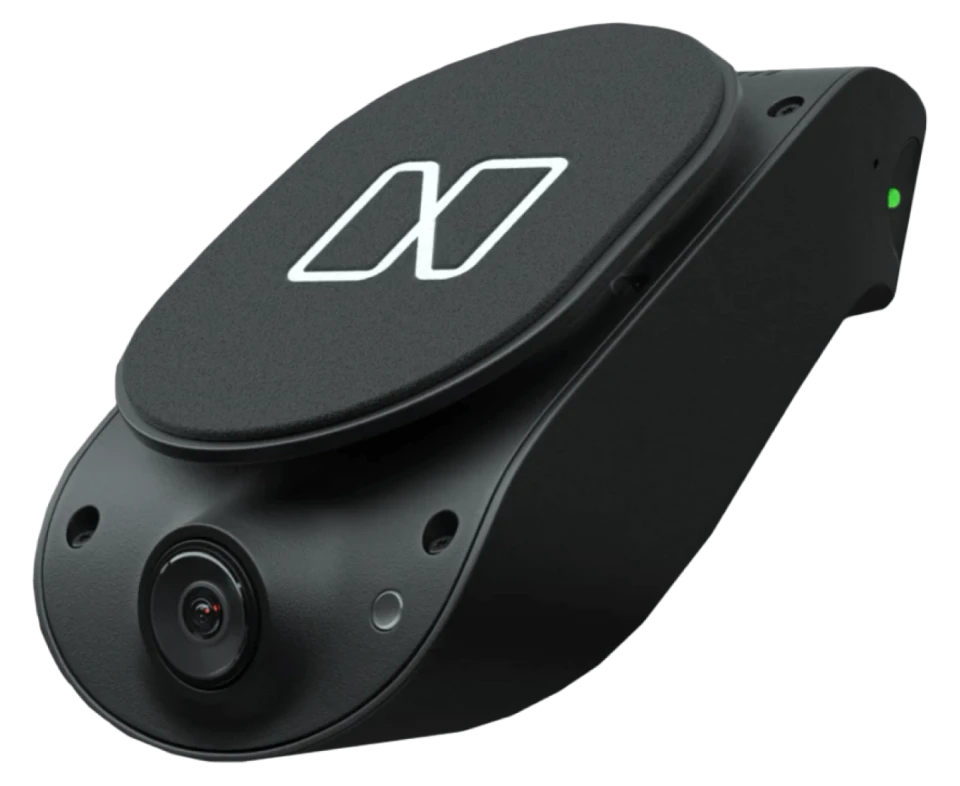
Nauto is a single, self-contained device. It installs in minutes, updates over the air, and doesn't require a second visit to the shop every time something changes. That simplicity compounds across a fleet of hundreds or thousands of vehicles.
The real moment of truth is now
Fleet leaders face their moment of truth long before the collision. It's in the RFP. It's in the spreadsheet comparing three vendors on price. It's in the decision to ask the harder questions instead of accepting marketing claims at face value.
Ask for the data. Ask for the latency numbers. Ask about the driver experience. Ask how many hours a week your team will actually get back. And ask what happens in the seconds before impact.
If you evaluate AI dashcams on outcomes rather than quoted price, the choice tends to get a lot clearer. That's exactly the conversation we want to have, and it's the one we believe the industry needs to start having out loud.
Download our vendor checklist and ask your current provider for the truth behind the claims.

Related posts

Is Nauto right for your fleet?
Get in touch, we’ll answer questions or set up a demo.